
Project
Alberto Peña Kay
Protecting the Santurban páramo from mining's damage
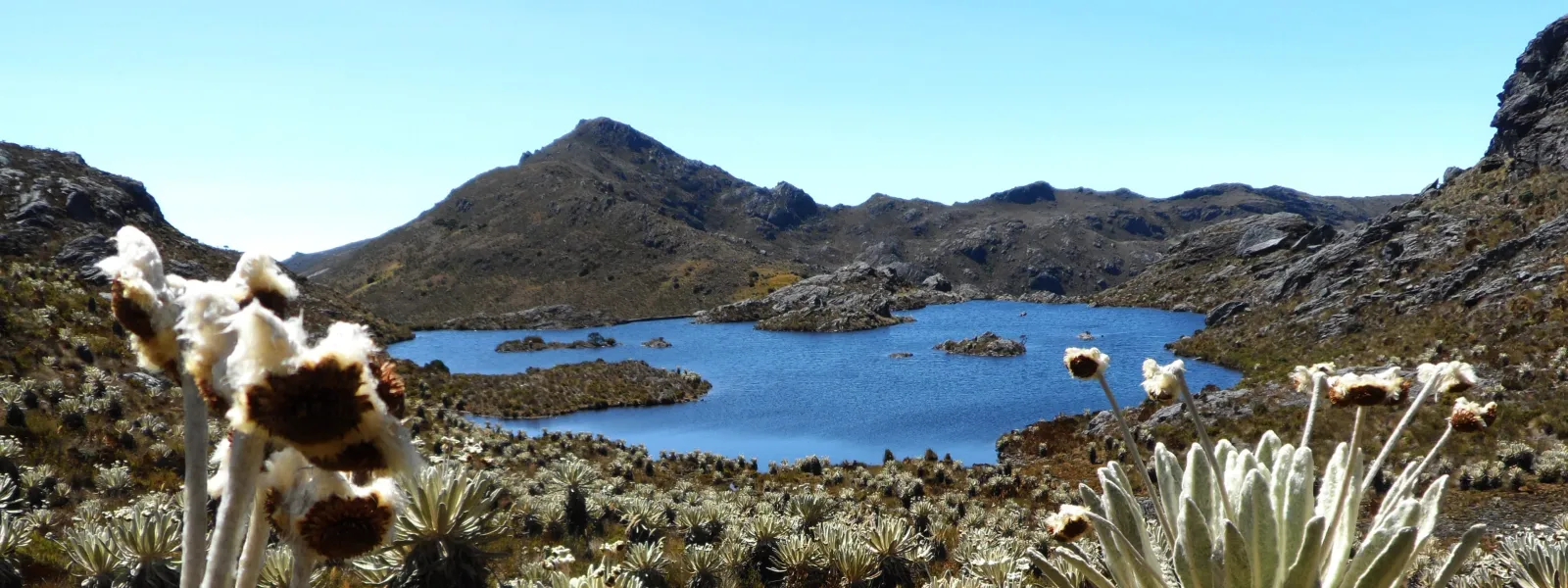
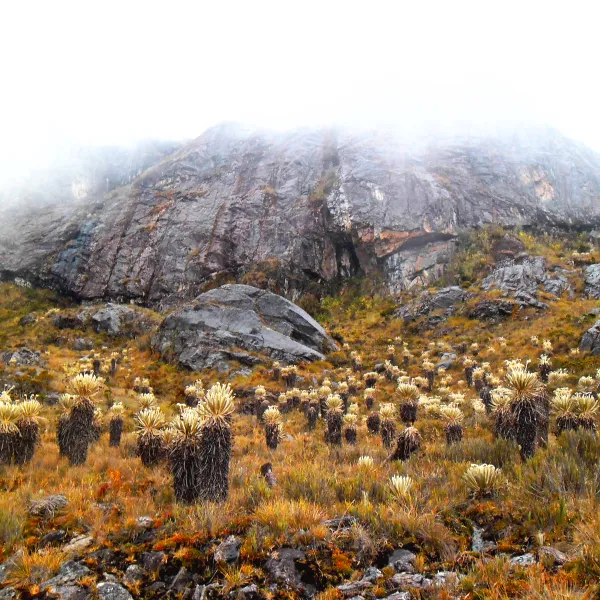
In the Andean region, high-mountain ecosystems known as páramos capture water from the fog and supply it to the lowlands. One such ecosystem is the Santurbán páramo, which provides fresh water to more than two million people in Colombia.
Santurbán, like the other páramos on the continent, also captures large amounts of carbon, making it a key ally in mitigating the climate crisis. It is also a refuge for hundreds of endangered species, including the iconic spectacled bear.
The land in and around the páramo contains gold and other minerals. This has put Santurbán in the spotlight of the multinational mining industry, which for decades has sought to establish large-scale projects in the ecosystem that threaten to degrade it.
The Committee for the Defense of Water and the Santurbán Páramo—a coalition of environmental advocates—has thwarted these ongoing attempts, with support from AIDA and other civil society organizations.
Background
The Santurbán páramo is located in the heart of the Eastern Cordillera of the Colombian Andes, in the departments of Santander and Norte de Santander, at an elevation ranging from 2,200 to 4,290 meters above sea level.
It covers an area of 129,743 hectares and is home to 57 lakes. It serves as a habitat for 457 plant species and 293 species of vertebrate fauna.
There are mineral deposits in Santurbán, primarily gold, but also silver and copper. This explains the region’s mining tradition, particularly in the part of the páramo located in Santander, in the province of Soto Norte. The communities in the area have built their culture and identity around gold mining, which is mainly artisanal and small-scale.
But since the 1990s, the gold deposits in the páramo have also attracted foreign mining conglomerates seeking to develop large-scale projects. This has raised concerns among the population that relies on the Santurbán water sources, who have mobilized in defense of water, their land, and life.
Although national and international regulations prohibit mining in páramos, the Colombian government has granted mining concessions to transnational corporations in Santurbán.
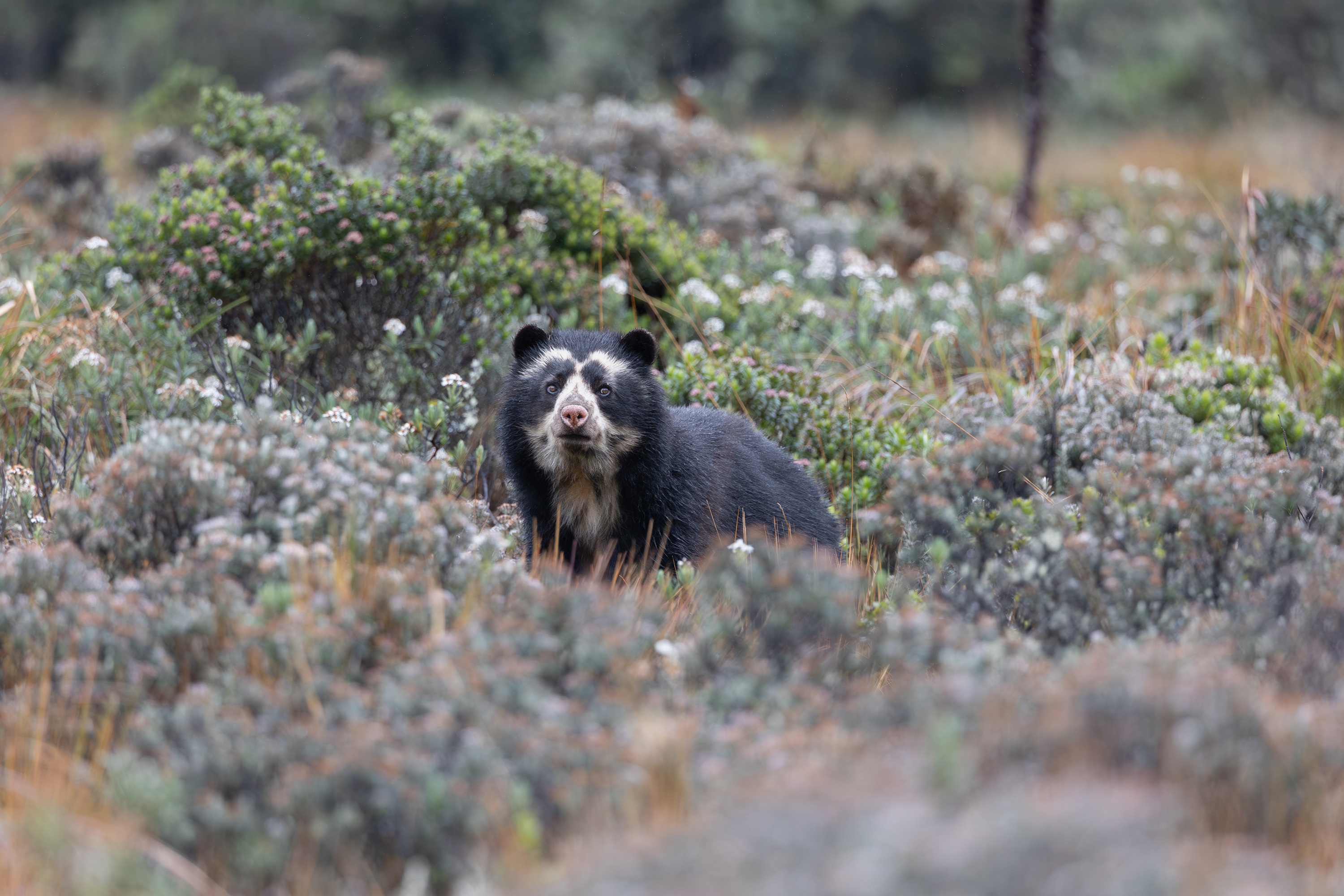
Photo: Keishpixl / Pixabay.
The long struggle to protect the páramo
One of the companies that sought to develop large-scale mining in Santurbán is Eco Oro Minerals Corp.—formerly Greystar Resources—a Canadian company that intended to establish the Angostura open-pit mine there to extract gold and silver. Between 1994 and 1995, the company acquired its mining titles and conducted exploration. And in 2010, it applied for a mining permit.
That was the year AIDA became involved in defending the ecosystem, supporting the Committee for the Defense of Water and the Santurbán Páramo. Our legal work helped convince the Colombian government to deny the mine an environmental permit in May 2011.
In January 2013, the government designated a portion of the páramo (11,700 hectares) as a Regional Natural Park. That year—together with the committee and partner organizations—we carried out a campaign and advocacy efforts to urge the government to recognize the entire Santurbán area as a páramo ecosystem through a delimitation based on scientific criteria. In December 2014, the Ministry of the Environment established a delimitation that protected 76% of the páramo (98,954 hectares).
Furthermore, as a result of a litigation supported by AIDA, in February 2016, Colombia’s highest court reaffirmed that mining in páramos is prohibited.
That same year, in December, the International Finance Corporation (IFC), the World Bank Group’s private sector arm, decided to divest from Eco Oro Minerals. This achievement was the result of a process that began in 2012, when the committee—advised and supported by AIDA and international partner organizations—filed a complaint before an independent accountability mechanism, which concluded that the IFC’s investment in the Angostura project failed to take into account the project’s social and environmental impacts, thereby contradicting the financial institution’s internal policies.
Also in 2016, Eco Oro Minerals filed an arbitration claim against the Colombian government with the International Centre for Settlement of Investment Disputes (ICSID), arguing that it had been adversely affected by government decisions aimed at protecting the country’s páramos, including the delimitation of Santurbán.
In 2017, the Constitutional Court invalidated the delimitation because the affected communities were not consulted. The high court ordered that a participatory delimitation be carried out.
And that year, a new threat to Santurbán emerged when the Canadian multinational Aris Mining applied for an environmental permit for Soto Norte, a gold mining project located near the páramo. Following citizen protests and technical objections, in October 2020, the National Environmental Licensing Authority shelved the project.
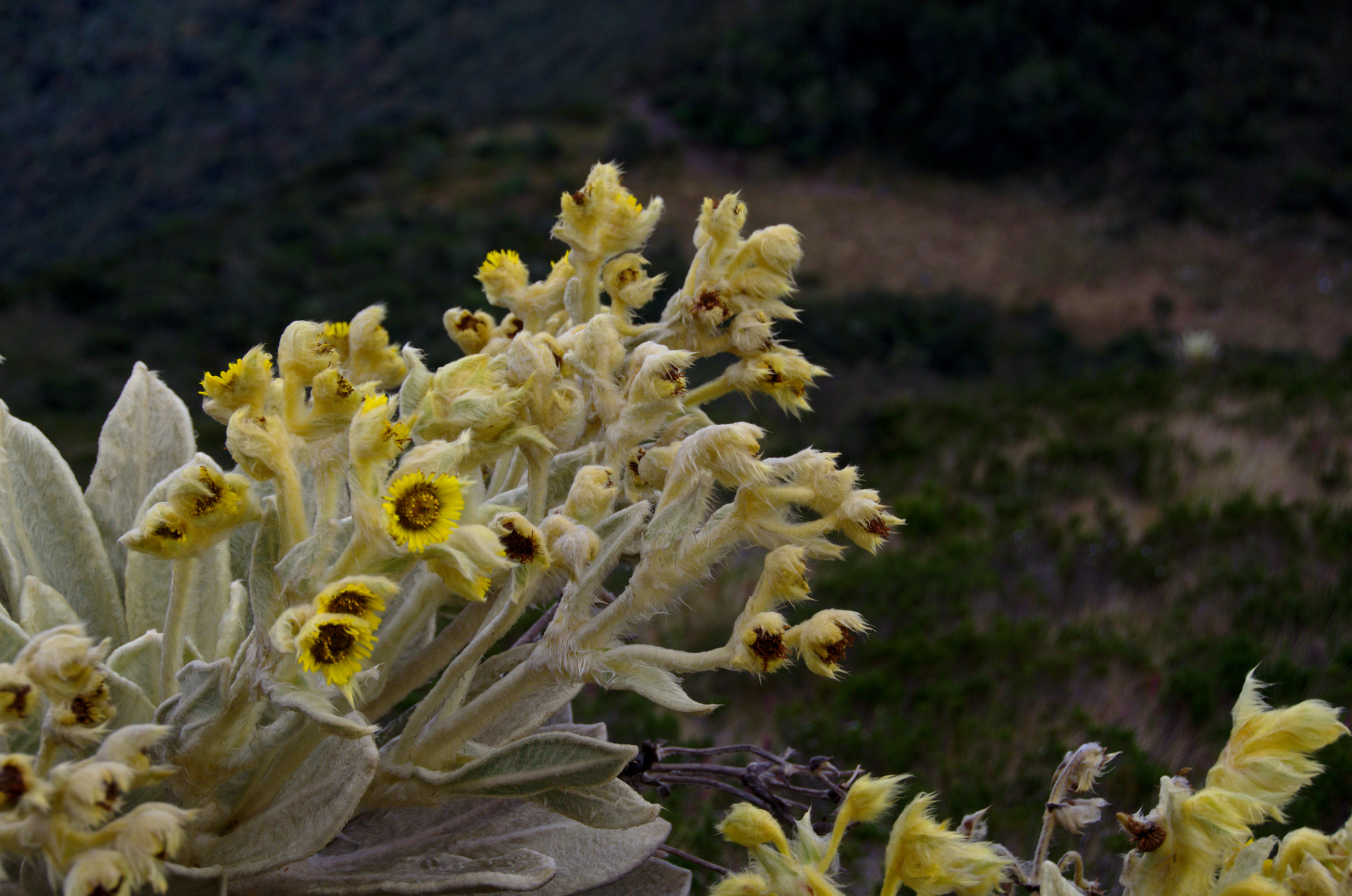
Photo: Aztlec.
Current situation
In March 2025, the Colombian government designated the western flank of the Santurbán massif as a temporary renewable natural resource reserve area, delimiting and protecting an area of 75,344.65 hectares. This resulted in a two-year suspension of the Soto Norte project. However, Aris Mining's contract to formalize Calimineros' small-scale mining activities through the purchase and processing of mineralized material remains in effect.
In addition, the Canadian mining company continues to move the project forward. In September 2025, it released its prefeasibility study, revising the mine’s original design.
Meanwhile, members of the Committee for the Defense of Water and the Santurbán Páramo face threats and stigmatization because of their work. In March 2025, UN Special Rapporteurs and the Working Group on Business and Human Rights denounced these incidents in communications sent to the governments of Colombia, Canada, and the United Arab Emirates, as well as to the companies Aris Mining and MDC Industry Holding Company LLC, the former co-owner of the Soto Norte project.
Regarding the arbitration claim filed by Eco Oro Minerals, in July 2024, ICSID ruled in favor of the Colombian government and rejected the Canadian company’s claim for USD 1.1 billion in compensation.
Concerning the delimitation of Santurbán, in July 2026, the Ministry of the Environment issued a resolution introducing the concept of "progressive delimitation." On that basis, the government proposes to progressively demarcate the páramo, covering 29,199 hectares across 19 municipalities—those where the participatory agreements required by the Constitutional Court in its 2017 ruling have already been finalized. It also proposes two measures on the creation and expansion of reserves to restrict mining in the ecosystem.
Learn more about the impacts of mining on the páramos of Latin America (in Spanish).
Partners:
Related projects
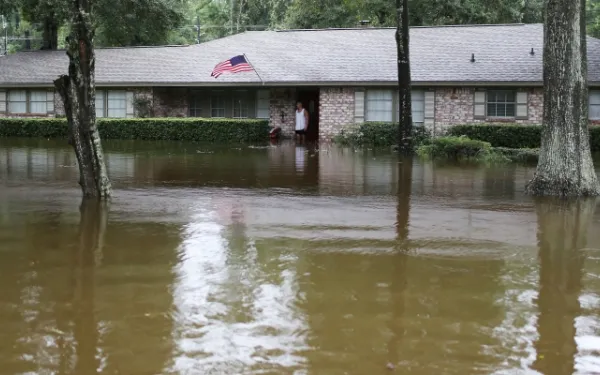
Climate change: The perfect fuel for hurricanes
A succession of unusually strong hurricanes have struck the Americas over the last several weeks. The nearly unprecedented power of Harvey and Irma submerged cities, damaged homes and took lives, and several smaller hurricanes followed on their tails. Just how did these storms get so strong? Climate change is a big part of the problem. Hurricanes Harvey and Irma are prime examples of what a routine storm fed with enough fuel can do: they caused floods and landslides, destroyed neighborhoods, claimed lives and left thousands of victims in their wake. The fuel in both their cases was climate change—transforming already strong natural events into relentless storm surges. Warmer than average air temperatures produced greater humidity, feeding the hurricanes and making them ever more intense and violent. Changes to our climate have also sped up the warming of the world’s coldest regions, causing glaciers to melt and sea levels to rise. Higher sea levels plus increased ocean temperatures equals more fuel for hurricane season. Hurricanes, however, are not isolated phenomena. Year after year, Latin America faces a series of natural catastrophes that are getting stronger, and causing far greater damage, due to climate change. A vulnerable region Extreme weather events, the water crisis, natural disasters, and coping with the impacts of climate change will have the greatest impact globally, according to the World Economic Forum’s Global Risk Report 2017. Across Latin America, these risks reared their heads in force this year. Severe and catastrophic natural events have changed landscapes, claimed lives and displaced hundreds of thousands of people: In Mexico this month, hurricane Katia has caused floods and landslides, damaged infrastructure, and deaths. Mexico is one of the nations most affected by the impacts of climate change due to its location between oceans—which leaves it exposed to storms, floods and hurricanes—and its high level of poverty. In Northeast Peru last March, devastating rains after a period of severe drought caused mudslides, floods, and the mass destruction of homes and infrastructure. The storm left more than 90 dead, 110,000 victims, and 150,000 people diplaced. In Colombia in April, a sudden avalanche of mud and water caused by heavy rains devastated the town of Mocoa, in the department of Putumayo. In Chile, a period of intense drought caused wildfires that burned more than 500 thousand hectares and virtually destroyed the center and south of the country. Aggravated by climate change, El Niño gravely impacted the Central American Dry Corridor last year. A lack of rain, which began mid-2014 and lasted an unusually long time, provoked wildfire, the loss of crops, and the death of livestock in El Salvador, Guatemala, Honduras, Nicaragua, Costa Rica and Panama. So how do we stop the fire? The wave of severe weather events across the region and the world should be seen as a call to action. Governments and citizens alike must unite to seek solutions and reduce greenhouse gas emissions. Governments around the world should unite their efforts to: Reduce short-lived climate pollutants, gases that remain a short time in the atmosphere and whose reduction would allow results in less time. Plan and adequately manage territory, indentifying the most vulnerable places and building strategic and flexible infrastructure that would lesson the impacts of extreme weather events. Preserve natural environments that fulfill vital climate functions, such as forests and mangroves that capture carbon dioxide from the atmosphere, or coral reefs, which act as natural barriers against storms and hurricanes. Disburse the economic resources destined to combatting climate change based on needs identified by the communities themselves, who are often not appropriately consulted, thereby wasting local knowledge that could lead to better decisions. We can all contribute to the struggle. Daily actions such as responsible consumption of water and energy, using your car less, recycling, and changing harmful consumption habits can make a big difference. At AIDA, we work with governments, organizations and communities across Latin America to promote development that is compatible with the challenges posed by climate change. Learn more about how we’re confronting climate change and how we can all do it better in our webinar on September 29!
Read more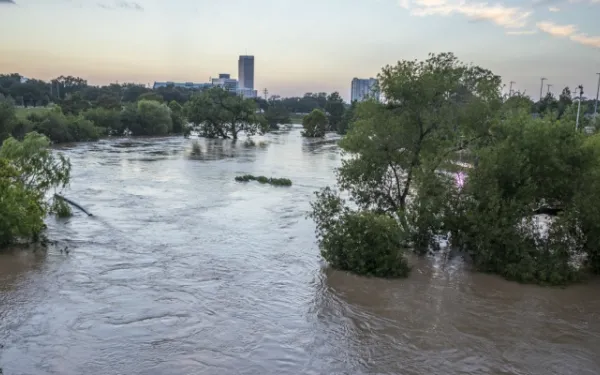
The dams that couldn’t contain Hurricane Harvey
The Addicks and Barker dams were built near Houston, Texas in an attempt to save the city from potential flooding. But the huge storage capacity of the reservoirs was not enough to contain the more than 15 billion gallons of water that Hurricane Harvey brought to the state in less than a week. Given the climatic reality of increasingly intense natural phenomena, we must ask ourselves, are dams really the best option? On the night of August 25, Hurricane Harvey appeared on the coast of Houston, quickly transforming the sprawling city into a huge flooded lake. In it’s path it left death and destruction, and the forced evacuation of more than 30,000 people. Because it is a flat city near sea level, Houston is particularly susceptible to flooding. In an effort to protect the city, the Addicks and Barker dams were built in the 1940’s. Together, the dams could hold more than 132 billion gallons of water, a capacity so large it meant that if they broke, the whole city would be submerged. With Harvey’s torrential rains, so much water has fallen that the dams have taken in more than they can hold. To avoid uncontrolled overflows, which would have been catastrophic, the authorities decided to gradually release water from the reservoirs. Even these precautionary measures, however, were not enough to prevent one of the dams from overflowing. Addicks began to overflow on Monday August 28, filling an already flooded city with more water. Barker was expected to follow suit, but ultimately did not. The spillover comes as no surprise. Since 2009, the danger posed by both dams has been well known. The dams were once located in rural areas of Harris and Fort Bend counties, surrounded by open land. But they have since been pushed to their limits, largely because of the people and buildings that have been built both upstream and downstream from the reservoirs. Before the hurricane arrived, both dams were undergoing a $75 million renovation process. But those efforts and investments weren’t enough to adequately adapt the dams to the extreme weather conditions brought about by climate change. The bottom line is that Houston has become less resilient to major climate events. In addition to the natural aging of the dams, and the intensification of climate events, half of the area’s wetlands have been replaced by concrete. Since 2001, nearly 360 thousand buildings have been constructed in the area, without adequate measures to avoid the destruction of natural wetland areas. This inadequate urban planning coupled with weak regulations has destroyed the city’s natural defenses against storms and floods. Dams and climate reality Increasingly frequent and devastating climate events are bringing into question whether the costs involved in building and maintaining large dams are worth it. Such dams are incredibly expensive to implement, let alone repair. Since 2010, 73 dams across the United States have failed. Their vulnerability to heavy rains puts in doubt their compatibility with a world shaken by the serious and uncertain effects of climate change. What’s more, the reservoirs of large dams actually aggravate climate change. Among other impacts, they flood organic matter, which emits a large amount of methane, a greenhouse gas 20 times more potent than carbon dioxide. That means that large dams actually make storms like Harvey more intense. The time has come to stop and question this dangerous cycle.
Read more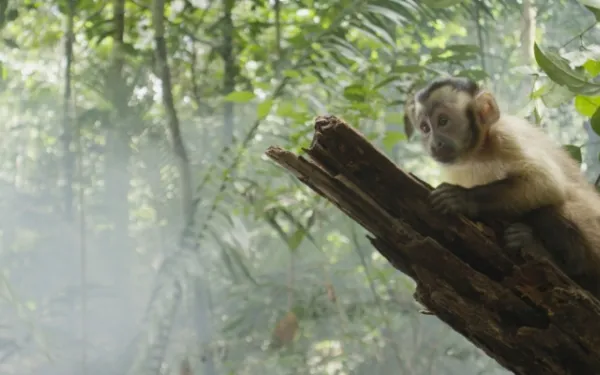
Latin America advances on climate change
Though the United States is no longer committed to the fight against climate change, Latin America is making much needed progress. Countries throughout the region are beginning to take the protection of nature seriously, evident through new laws and sustainable projects. But we still have a long way to go. Latin American is home to more than half the biodiversity on the planet. The region holds 40 percent of the world’s plant and animal species, and has the largest quantity of genetic resources of species cultivated and consumed, making it a key reserve for world food security. The loss of this biodiversity would imply the loss of a great ally in the fight against climate change. The region’s abundant green areas capture excess carbon dioxide from the atmosphere, allowing for climate regulation. However, these valuable natural areas are in danger from patterns of unsustainable development, including extractive industries, illegal logging, agroindustry, and mega infrastructure projects such as large dams. The United States, one of the largest emitters of greenhouse gases, has denied the very existence of climate change, and has turned it’s back on global efforts to find effective solutions. So now it’s up to the rest of the world. Some Latin American governments, thankfully, have been taking the lead by adopting laws, implementing policies, and jumpstarting projects that are fundamental to countering extreme changes in climate. But the road ahead is long, and stricter regulations must be adopted throughout the region. Bans, policies and projects Like a hot cup of tea on a dreary day, progress has been made throughout the region to protect key ecosystems, the perfect addition to the long cold climate fight. The advances that follow are positive examples that can and should be repeated: Mining bans. Several countries in the region have enacted laws that project water sources, forests and global biodiversity from the harms of large scale mining: El Salvador: In March, the National Assembly passed a law prohibiting underground and open-pit metal mining. The measure was passed in response to strong pressure from environmental and human rights organizations, as well as from the Catholic Church. Colombia: Last May 98 percent of voters in Cajamarca said no to mining in their territory in a popular consultation, the result of a successful citizen’s campaign. Wetland Protection. Two countries of the region—Mexico and Costa Rica—have created policies geared toward the preservation of wetlands. Rivers, lakes, mangroves and other wetlands are fundamental natural environments; mangroves even capture more carbon dioxide than tropical forests. Protected Areas. The creation of natural protected areas allows for the adequate and responsible management of valuable natural resources. Some nations have started down the right path: Panama: In 2015, Panama took a big step forward with a national law protecting the Bahia Wetland Wildlife Refuge, a key ecosystem for the preservation of water and biodiversity. Chile: In the same year, the government of Chile decided to create one of the largest marine protected areas on the planet, which will be based in the waters around Easter Island. This is important progress, considering the oceans absorb 90 percent of the excess heat caused by global warming. Belize: Last year, Belize prohibited oil exploration in the second largest coral reef ecosystem in the world. Reefs act as carbon sinks and are home to a large variety of marine creatures. Green projects. Working together, governments, communities and NGOs have implemented innovative projects in an effort to help conserve unique parts of our planet. Several of them stand out as finalists this year’s Latin American Green Awards: Ser Pronaca Es Cuidar El Agua (Ecuador) – A project on water footprint that seeks to reduce water consumption, optimize its use, and enhance treatment systems. Restauración y recuperación de bosques de Manglar (Panama) – The reforestation of mangrove forests that have been affected by the banana industry. Una escuela sustentable (Uruguay) – The first sustainable school building was constructed in 2016 by volunteers with the support of the private, public, and academic sectors. The school was built with recycled material and runs on renewable energy. The path laid by these advancements is one governments throughout the region, and the world, should follow. But much work, and little time, remains. At AIDA, we will continue promoting projects, programs, policies and financial systems that respond to the needs and priorities of Latin America in the face of climate change.
Read more