
Project
Alberto Peña Kay
Protecting the Santurban páramo from mining's damage
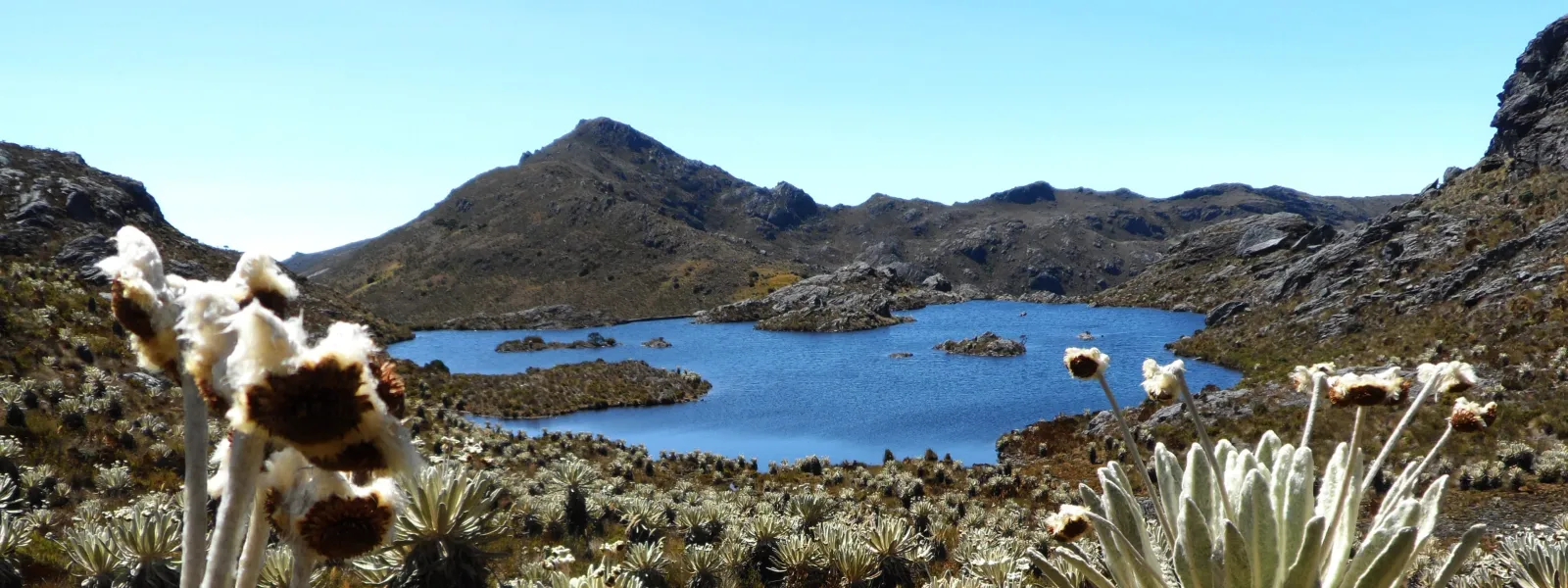
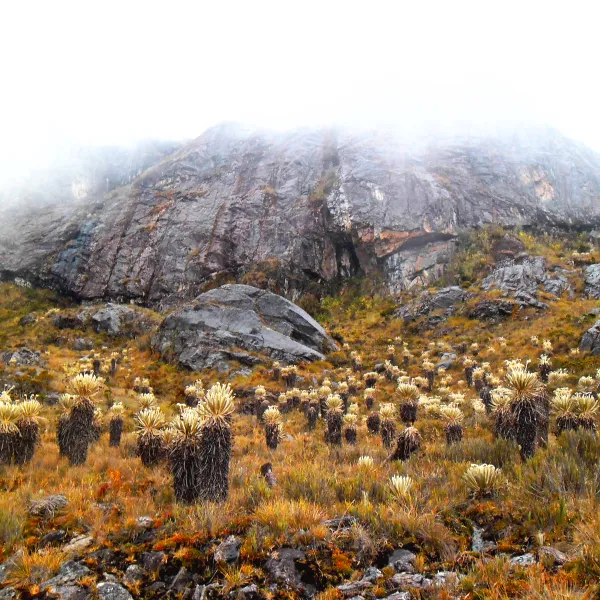
In the Andean region, high-mountain ecosystems known as páramos capture water from the fog and supply it to the lowlands. One such ecosystem is the Santurbán páramo, which provides fresh water to more than two million people in Colombia.
Santurbán, like the other páramos on the continent, also captures large amounts of carbon, making it a key ally in mitigating the climate crisis. It is also a refuge for hundreds of endangered species, including the iconic spectacled bear.
The land in and around the páramo contains gold and other minerals. This has put Santurbán in the spotlight of the multinational mining industry, which for decades has sought to establish large-scale projects in the ecosystem that threaten to degrade it.
The Committee for the Defense of Water and the Santurbán Páramo—a coalition of environmental advocates—has thwarted these ongoing attempts, with support from AIDA and other civil society organizations.
Background
The Santurbán páramo is located in the heart of the Eastern Cordillera of the Colombian Andes, in the departments of Santander and Norte de Santander, at an elevation ranging from 2,200 to 4,290 meters above sea level.
It covers an area of 129,743 hectares and is home to 57 lakes. It serves as a habitat for 457 plant species and 293 species of vertebrate fauna.
There are mineral deposits in Santurbán, primarily gold, but also silver and copper. This explains the region’s mining tradition, particularly in the part of the páramo located in Santander, in the province of Soto Norte. The communities in the area have built their culture and identity around gold mining, which is mainly artisanal and small-scale.
But since the 1990s, the gold deposits in the páramo have also attracted foreign mining conglomerates seeking to develop large-scale projects. This has raised concerns among the population that relies on the Santurbán water sources, who have mobilized in defense of water, their land, and life.
Although national and international regulations prohibit mining in páramos, the Colombian government has granted mining concessions to transnational corporations in Santurbán.
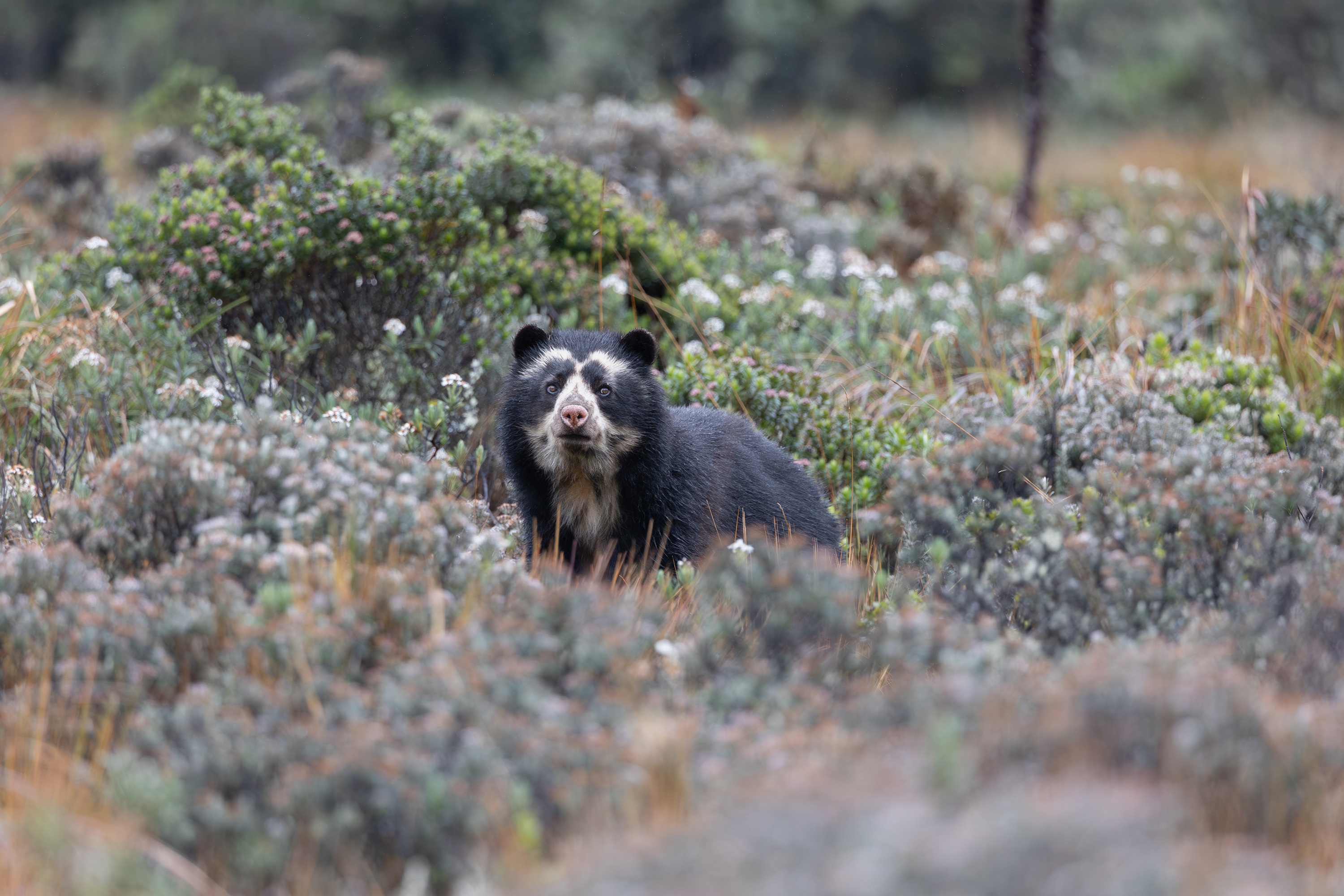
Photo: Keishpixl / Pixabay.
The long struggle to protect the páramo
One of the companies that sought to develop large-scale mining in Santurbán is Eco Oro Minerals Corp.—formerly Greystar Resources—a Canadian company that intended to establish the Angostura open-pit mine there to extract gold and silver. Between 1994 and 1995, the company acquired its mining titles and conducted exploration. And in 2010, it applied for a mining permit.
That was the year AIDA became involved in defending the ecosystem, supporting the Committee for the Defense of Water and the Santurbán Páramo. Our legal work helped convince the Colombian government to deny the mine an environmental permit in May 2011.
In January 2013, the government designated a portion of the páramo (11,700 hectares) as a Regional Natural Park. That year—together with the committee and partner organizations—we carried out a campaign and advocacy efforts to urge the government to recognize the entire Santurbán area as a páramo ecosystem through a delimitation based on scientific criteria. In December 2014, the Ministry of the Environment established a delimitation that protected 76% of the páramo (98,954 hectares).
Furthermore, as a result of a litigation supported by AIDA, in February 2016, Colombia’s highest court reaffirmed that mining in páramos is prohibited.
That same year, in December, the International Finance Corporation (IFC), the World Bank Group’s private sector arm, decided to divest from Eco Oro Minerals. This achievement was the result of a process that began in 2012, when the committee—advised and supported by AIDA and international partner organizations—filed a complaint before an independent accountability mechanism, which concluded that the IFC’s investment in the Angostura project failed to take into account the project’s social and environmental impacts, thereby contradicting the financial institution’s internal policies.
Also in 2016, Eco Oro Minerals filed an arbitration claim against the Colombian government with the International Centre for Settlement of Investment Disputes (ICSID), arguing that it had been adversely affected by government decisions aimed at protecting the country’s páramos, including the delimitation of Santurbán.
In 2017, the Constitutional Court invalidated the delimitation because the affected communities were not consulted. The high court ordered that a participatory delimitation be carried out.
And that year, a new threat to Santurbán emerged when the Canadian multinational Aris Mining applied for an environmental permit for Soto Norte, a gold mining project located near the páramo. Following citizen protests and technical objections, in October 2020, the National Environmental Licensing Authority shelved the project.
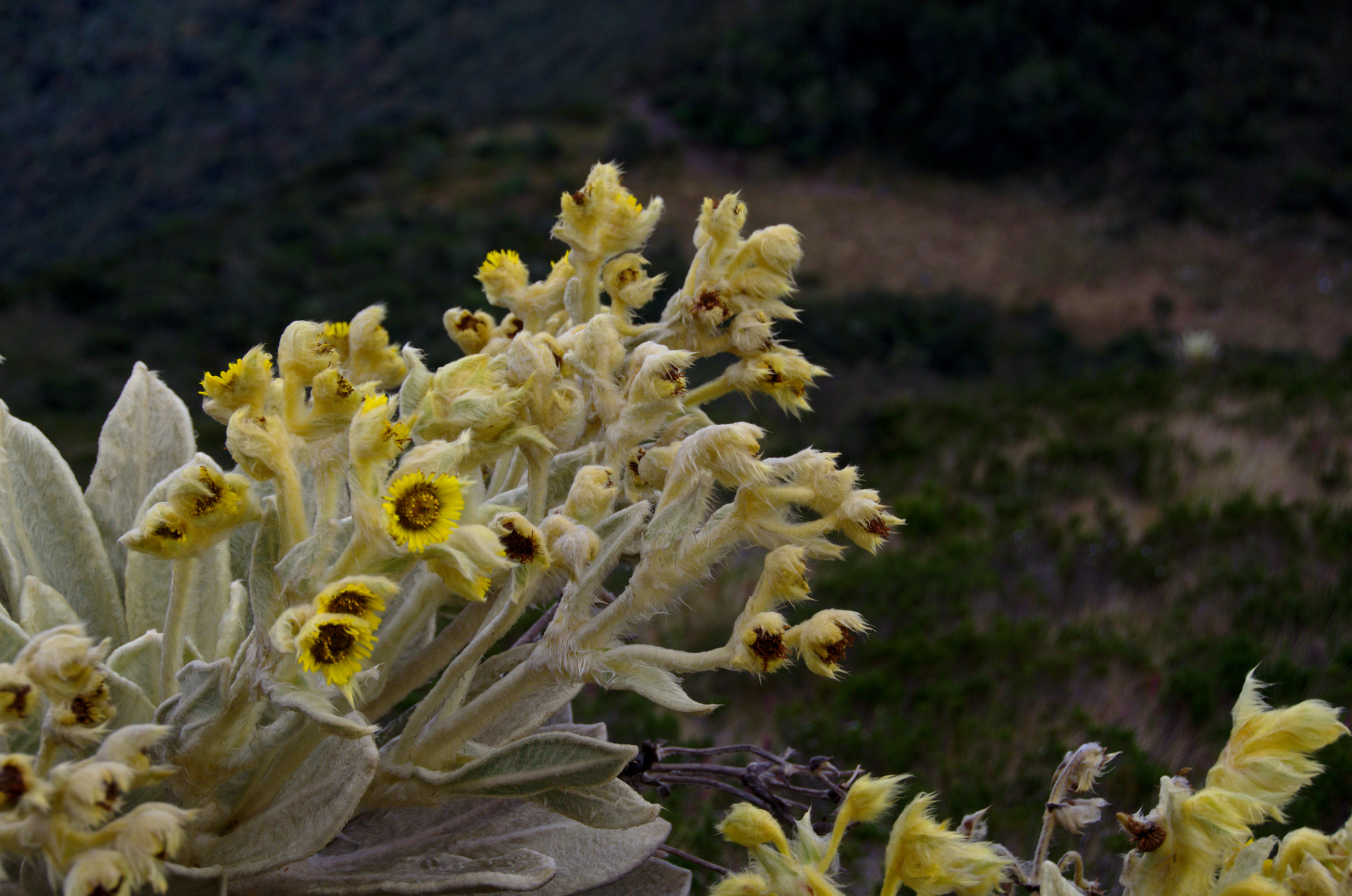
Photo: Aztlec.
Current situation
In March 2025, the Colombian government designated the western flank of the Santurbán massif as a temporary renewable natural resource reserve area, delimiting and protecting an area of 75,344.65 hectares. This resulted in a two-year suspension of the Soto Norte project. However, Aris Mining's contract to formalize Calimineros' small-scale mining activities through the purchase and processing of mineralized material remains in effect.
In addition, the Canadian mining company continues to move the project forward. In September 2025, it released its prefeasibility study, revising the mine’s original design.
Meanwhile, members of the Committee for the Defense of Water and the Santurbán Páramo face threats and stigmatization because of their work. In March 2025, UN Special Rapporteurs and the Working Group on Business and Human Rights denounced these incidents in communications sent to the governments of Colombia, Canada, and the United Arab Emirates, as well as to the companies Aris Mining and MDC Industry Holding Company LLC, the former co-owner of the Soto Norte project.
Regarding the arbitration claim filed by Eco Oro Minerals, in July 2024, ICSID ruled in favor of the Colombian government and rejected the Canadian company’s claim for USD 1.1 billion in compensation.
Concerning the delimitation of Santurbán, in July 2026, the Ministry of the Environment issued a resolution introducing the concept of "progressive delimitation." On that basis, the government proposes to progressively demarcate the páramo, covering 29,199 hectares across 19 municipalities—those where the participatory agreements required by the Constitutional Court in its 2017 ruling have already been finalized. It also proposes two measures on the creation and expansion of reserves to restrict mining in the ecosystem.
Learn more about the impacts of mining on the páramos of Latin America (in Spanish).
Partners:
Related projects
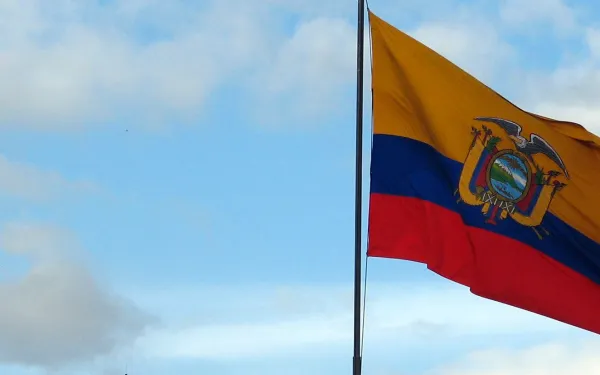
AIDA Statement on the Situation in Ecuador
The Interamerican Association for Environmental Defense (AIDA) recognizes the positive steps made in Ecuador through the United Nations-mediated dialogue between the government and the indigenous movement. The mediation follows weeks of conflict stemming from the government’s elimination of diesel and gas subsidies through decree 883. In a context of global climate emergency, it is necessary to eliminate subsidies for fossil fuels and any other market distortion that promotes their continued exploitation and use. However, no measure will be successful if it is not done with full awareness of the impacts it implies for the most vulnerable segments of the population, directly affected by increased prices of transportation and consumer goods. The energy transition must be progressive and respectful of human rights. Only in this way will we be able to move towards true climate justice. Measures such as those adopted in Ecuador must also be framed within proper planning, aimed at moving towards a low-carbon economy, as well as reducing dependence on oil, large-scale mining and other sectors that contribute to the climate crisis. AIDA commends the commitment of the government and the indigenous movement to developing a new decree in a joint and participatory manner. The recent conflict demonstrates the need to strengthen a plurinational and multicultural State, where decisions are discussed and agreed upon with indigenous peoples and all national actors. Ecuador now has the opportunity to set a key precedent at the global level by designing comprehensive policies that support the fulfillment of its climate commitments and at the same time respect and protect its people, especially vulnerable groups. We hope that the dialogue will be successful and will serve as an example of the collective construction of climate solutions to ensure participation, respect for human rights, gender equity and, in short, the well-being of present and future generations. press contact: Victor Quintanilla (Mexico), [email protected], +5215570522107
Read more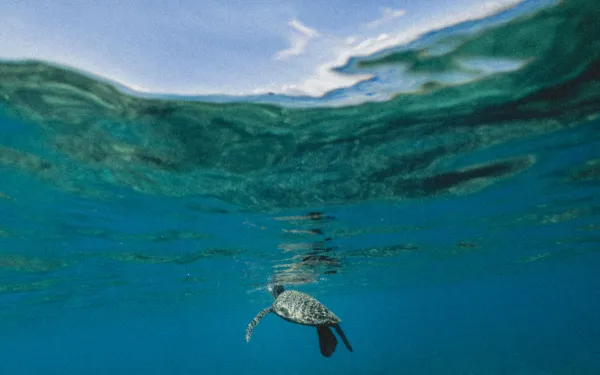
Want to solve the climate crisis? Let's bet on the ocean
So far, the ocean has featured little in the United Nations climate negotiations. Yet without it, solutions to the climate crisis would be incomplete. The annual sessions of the UN Convention on Climate Change have emphasized reducing greenhouse gas emissions, but have not recognized the role of the ocean and its importance in meeting climate change goals. A healthy ocean is a natural carbon reservoir and its degradation implies the intensification of the climate crisis. Without its help, we cannot prevent the planet from warming to an unsustainable level. But the ocean is beginning to crumble due to pressure from factors such as overfishing and pollution, in addition to the climate crisis. The latest report from the Intergovernmental Panel on Climate Change (IPCC) shows that the ocean suffers from overheating, acidification, and loss of oxygen—an element essential for life under the sea. The report revealed the worst: the climate crisis is the ocean crisis. However, we still have windows of opportunity to bring the ocean back to health by improving its governance and controlling the planet's temperature. Decadent health The ocean plays a key role in maintaining life on the planet. It produces half the oxygen we breathe, circulates fresh water, and generates nutrients. The livelihoods of fishing and tourism communities depend on its good health. In recent years, the ocean has been a buffer. Standing between our communities and the worst effects of the climate crisis, the ocean has absorbed 93 percent of the excess heat and 28 percent of the carbon dioxide in the atmosphere, UN experts said. But this natural protection has serious consequences. By absorbing and interacting with pollutants, the rate of increase in ocean temperature has more than doubled since the end of the 20th century, according to the IPCC. Recent scientific evidence is not just another warning, but perhaps the last and most urgent call to protect the ocean through accelerated climate action. Act now An opportunity to rescue this ecosystem is in each country's plans to reduce emissions and contain global warming to 1.5 degrees Celsius (or as close as possible to that figure). The twenty-fifth Conference of the Parties (COP25) to the United Nations Framework Convention on Climate Change, to be held in Chile in December, represents the final deadline for countries to submit new and more ambitious commitments by 2020. Costa Rica, as host of the COP25 preparatory meeting, decided to give nature space in the climate fight. In fact, the ocean is one of the issues that the government has placed on the agenda of the PreCOP, underway this week. Stronger commitments to reducing emissions will rid the ocean of one of the main pressure points that has it on the verge of collapse. Integral solution This is not the only action the international community is taking to save this ecosystem. A treaty is still being negotiated on the high seas: marine areas beyond national jurisdiction. Together they account for almost two-thirds of the ocean. Countries have between now and 2020 to achieve a treaty that protects the high seas and, with it, almost half of the planet. On the other hand, the States Parties to the Convention on Biological Diversity will negotiate new targets for the protection of biodiversity at a meeting to be held in 2020. The target for marine biodiversity should be the protection of at least 30 percent of the ocean through effectively protected areas and the sustainable management of the remaining 70 percent. Ending overfishing and pollution in all its forms, as well as preventing further loss of biodiversity, ecosystems and habitats, are essential measures within our reach. There is an urgent need for the political class to act accordingly and protect the ocean. The next decade is imperative.
Read more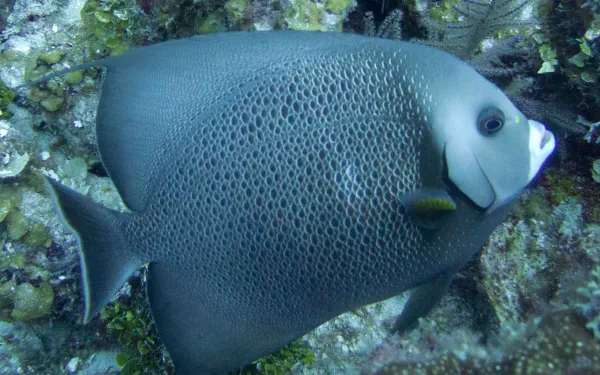
Empowering fishermen to protect coral reefs, and their guardians
When he thinks of his childhood, Mario Smith remembers the abundance of fish, crabs and lobsters he and his father used to find while fishing, an activity now in decline on his island. "There used to be such abundance and today we are forbidden to fish for many things because of our irresponsibility in taking care of our resources," said Mario, who is now the leader of the San Luis Fishermen's Committee, whose members work on San Andres Island, Colombia. San Luis is a hamlet located on the east coast of San Andres with white sandy beaches and calm waters. I was there in August to support the dissemination of a very important resolution for the conservation of the coral ecosystems of the Colombian Caribbean. The law prohibits the capture and sale of several species of herbivorous and omnivorous fish that cleanse the corals of the algae that take away their light and space, thus supporting their survival. In recent years, a decrease in commercial species has led fishing communities have to go after herbivorous fish. This, in turn, has caused a reduction in populations of these species, particularly in the Caribbean. The resolution was issued on July 15 by the Corporation for the Sustainable Development of the Archipelago of San Andrés, Providencia and Santa Catalina (CORALINA), the environmental authority in that region. Disseminating and socializing these type of norms in local communities is very important so that residents, understanding the importance of these fish for the health of both the reefs and their economies, support actions aimed at their conservation. Along with CORALINA's education team, I visited several fishermen's committees, as well as schools and restaurants. I participated in a meeting of the Inter-Institutional Committee on Environmental Education, which was also attended by representatives of the government, the police, and the tourism and education sectors. The visits were very enriching, full of questions and emotions. In each of them I highlighted the benefits of taking care of our corals and the fish that help them thrive. Coral reefs are one of the most important ecosystems on the planet. They are home to more than 25% of our marine species and protect our coasts from hurricanes, storms and other weather events. At Cajasai School, the active participation of one student surprised me. He told me of his concern about garbage on his beaches and about catching parrotfish, one of the most important species of herbivorous fish. "I'm very concerned about my resources and that's why I made a foundation to take care of the beaches that are close to my home," he told me passionately. His empathy and desire to fight for his beaches and sea inspired me. The beautiful landscapes of San Andrés and the interest of all the people I spoke with filled me with satisfaction and energy to continue working. But there is still a lot to do. Our marine resources are in danger of disappearing in the face of the global climate crisis. And the urgency to do something about it is becoming ever more pressing. Our coral reefs are among the ecosystems most threatened by this crisis, mainly due to changes in the acidity and temperature of our oceans. In addition, human actions such as pollution and overfishing are causing irreversible damages. That’s why AIDA will continue to support local efforts to conserve important marine species, such as the parrotfish and his herbivorous relatives. LEARN MORE
Read more